Celiac disease and IBS can both cause bloating, belly pain and diarrhea, so they're easy to mistake for each other. Celiac disease is also more common in people with IBS-type symptoms: in a meta-analysis of 36 studies, the odds of biopsy-proven celiac disease were about 4.5 times higher in people with IBS symptoms than in healthy controls, although North American studies didn't show that excess.[1] Telling them apart matters, because celiac disease needs a strict, lifelong gluten-free diet and medical follow-up.[2]
What is the difference between IBS and celiac disease?
Celiac disease is a permanent immune reaction to gluten, the protein in wheat, barley and rye. It injures the small intestine and produces specific antibodies that show up on a blood test.[2] IBS is a disorder of gut–brain interaction. It's diagnosed from its pattern of symptoms, and the simple blood and stool tests used to rule out other conditions come back normal.[3]
| IBS | Celiac disease | |
|---|---|---|
| What it is | Disorder of gut–brain interaction[3] | Permanent immune reaction to gluten[2] |
| Effect on the body | Simple blood and stool tests are normal[3] | Injures the small intestine, seen on biopsy as flattened villi (villous atrophy); linked to osteoporosis and intestinal lymphoma[4] |
| How common | About 4% of people worldwide[5] | About 1% (range 0.5–2%)[4] |
| Blood test | None confirms it[3] | IgA tissue transglutaminase (tTG) antibodies, with total IgA[6] |
| Confirmed by | Symptom criteria (Rome IV) plus a few normal tests[7][3] | Small-intestine biopsy in most adults[2] |
| Gluten | A gluten-free diet isn't recommended[3] | Strict lifelong gluten-free diet[2] |
IBS vs celiac symptoms: can you tell by how you feel?
Not reliably. Both can cause pain, bloating and a change in bowel habits. IBS is defined by recurrent belly pain, on average at least one day a week, that's linked to bowel movements or to changes in how often you go or what your stool looks like.[7] Celiac disease is more varied: it can cause classic gut symptoms, symptoms elsewhere in the body, or nothing obvious at all.[4]
UK guidelines list these, among others, as reasons to test for celiac disease:[6]
- Persistent, unexplained gut symptoms — and a diagnosis of IBS in adults
- Prolonged fatigue or unexpected weight loss
- Unexplained iron, vitamin B12 or folate deficiency
- Severe or persistent mouth ulcers
- Type 1 diabetes or autoimmune thyroid disease
- A parent, brother, sister or child with celiac disease
Why should you get tested before cutting out gluten?
Because the tests look for the antibodies and intestinal injury that gluten causes. NICE, the UK's guideline body, advises that any celiac test is accurate only while you're eating gluten, and that you shouldn't start a gluten-free diet until a specialist has confirmed the diagnosis — even after a positive blood test.[6]
- Keep eating gluten: some gluten in more than one meal every day for at least 6 weeks before testing.[6]
- First test: a blood test for IgA tTG antibodies plus total IgA, because people who are low in IgA need a different antibody test.[6]
- If it's positive: referral for an endoscopy with a small-intestine biopsy to confirm or rule out celiac disease.[6]
IBS guidelines build this in. The British Society of Gastroenterology says everyone who first sees a doctor with IBS symptoms should have celiac blood tests, along with a blood count and an inflammation marker.[3] The American College of Gastroenterology suggests celiac testing for people with IBS and diarrhea.[8] For the rest of the workup, see how IBS is diagnosed.
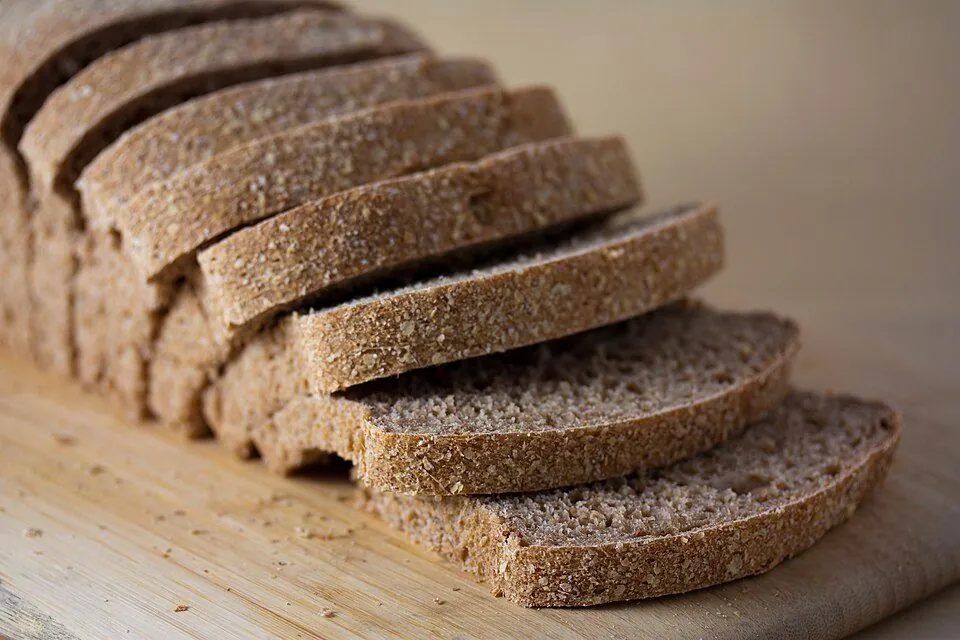
IBS vs gluten intolerance: is it the gluten or the fructans?
"Gluten intolerance" usually means non-celiac gluten sensitivity: symptoms improve without gluten, but celiac disease has been ruled out. There's no biomarker for it.[9] When researchers have tested it blind, gluten itself rarely turns out to be the culprit:
- In a Norwegian trial, 59 people who had put themselves on a gluten-free diet ate muesli bars containing gluten, fructans or neither, for a week each, without knowing which. Fructans caused more symptoms than gluten, including more bloating, and gluten caused no more symptoms than placebo.[9]
- In an Australian trial of 37 people with self-reported gluten sensitivity and IBS, symptoms improved on a low-FODMAP diet, and gluten-specific effects showed up in only 8%.[10]
Fructans are a FODMAP — one of the fermentable oligo-, di-, monosaccharides and polyols, short-chain carbohydrates that gut bacteria ferment. Wheat contains them, and British guidelines note that the benefit people report from a gluten-free diet may come mainly from eating fewer fructans.[3] Garlic, onions, shallots and leeks are among the richest sources too.[11] More in garlic, onion and fructans, and if you're weighing the two diets, see is low FODMAP gluten-free?
If your celiac tests are negative and wheat still seems to bother you, look at what else was in those meals. Symptoms that also follow onion- and garlic-heavy dishes point toward fructans rather than gluten. IBS Clue, an iPhone app, estimates the fructan level of each meal you log, including hidden onion and garlic, and ranks which FODMAP groups most likely trigger you — something you can then confirm with a reintroduction.
When to see a doctor
See a doctor for a celiac blood test before you change your diet, and promptly if you notice any of these warning signs:[12][3]
- Blood in your stool
- Unintentional weight loss
- Anemia
- Fever, or symptoms that wake you at night
- A family history of bowel cancer, inflammatory bowel disease or celiac disease
- Symptoms that started after about age 50
Whichever diet you end up trying, a dietitian can help you keep it nutritious. British guidelines advise checking for disordered eating before recommending restrictive diets, so tell your doctor if you have, or have had, an eating disorder.[3] Get advice first, too, if you're pregnant or changing a child's diet.