Find the foods behind your IBS.
Snap a meal and IBS Clue’s AI spots its FODMAPs — even the garlic hiding in the sauce. Check in on how you feel, and it works out which foods are your triggers, then guides you through the low-FODMAP plan dietitians use.
Three small habits. One clear answer.
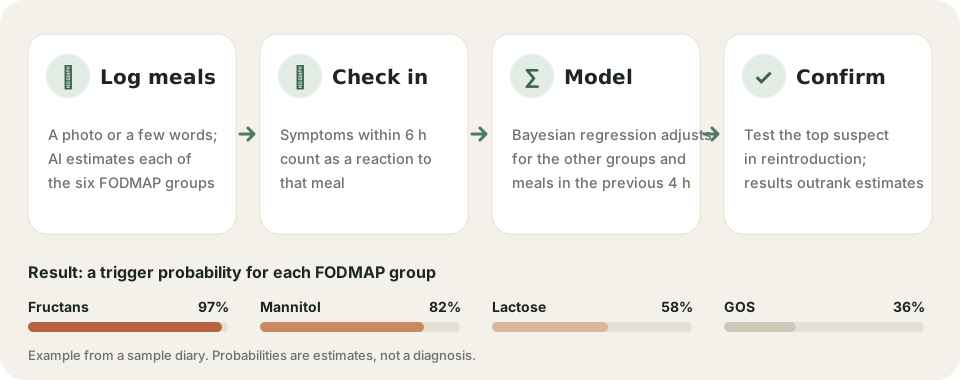
IBS triggers are personal, and a single bad day rarely tells you which food did it. IBS Clue turns a few seconds a day into evidence.
Snap your meal
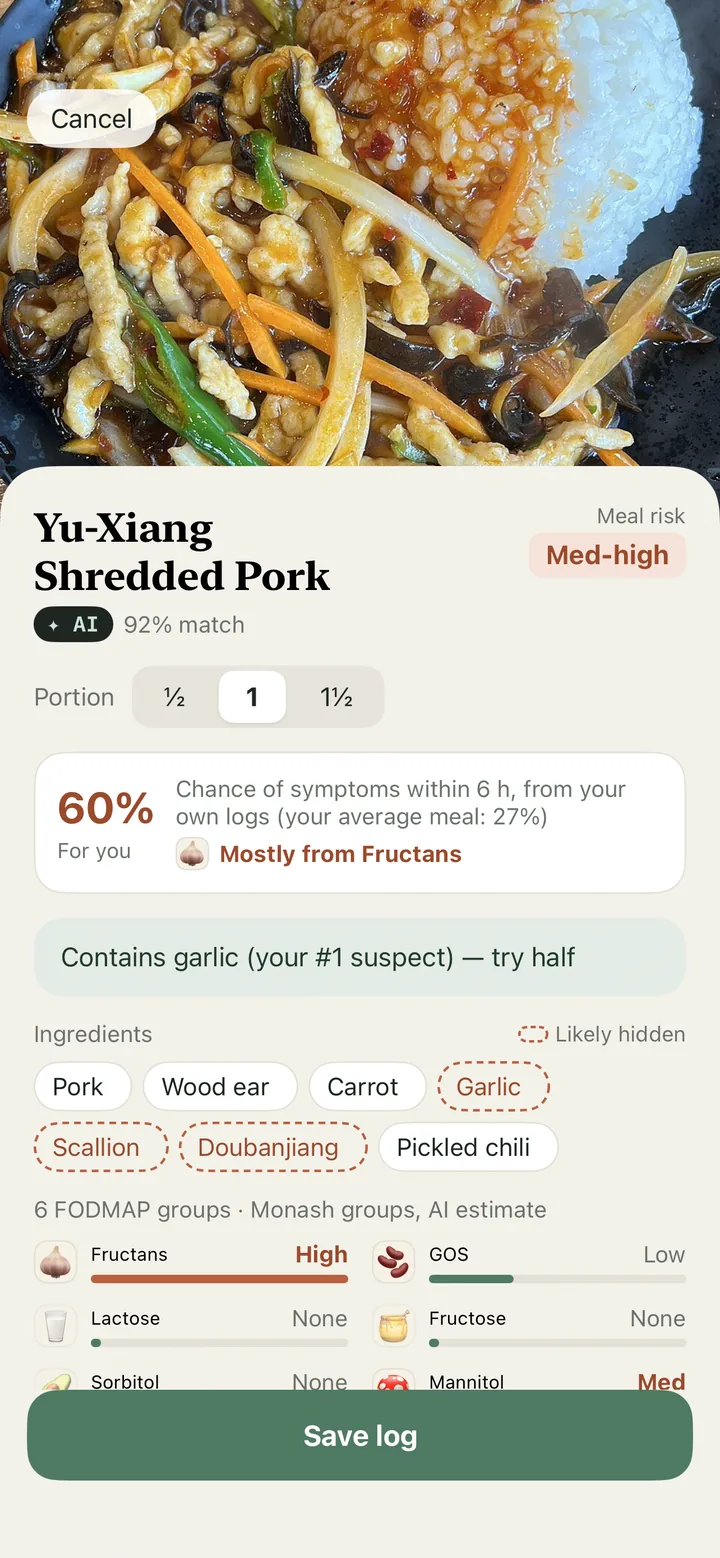
Take a photo or type what you ate. AI names the dish, finds the ingredients — including the hidden ones — and estimates all six FODMAP groups.
Check in twice a day
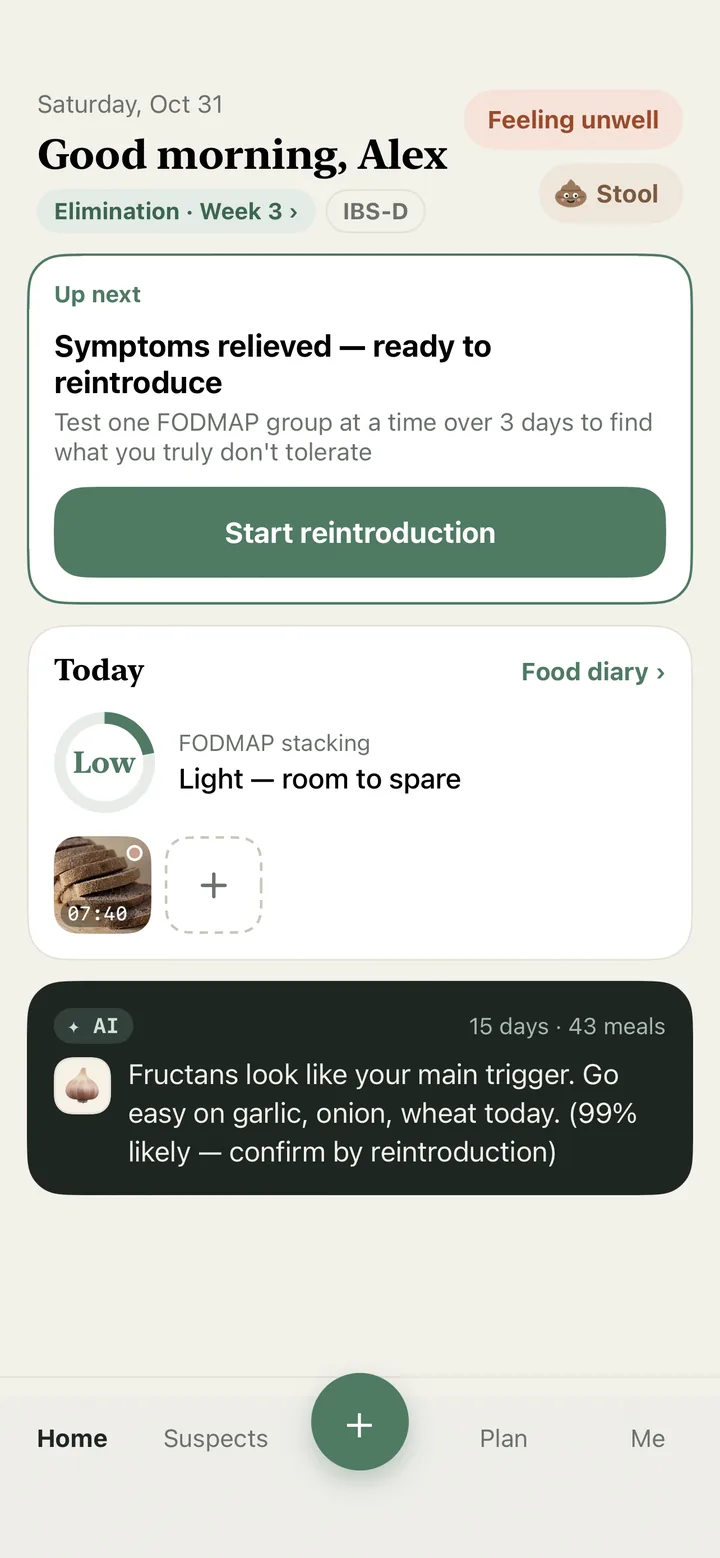
Tap how you feel in the afternoon and evening — bloating, pain, gas, diarrhea, constipation — and log stool type on the Bristol scale.
See your suspects
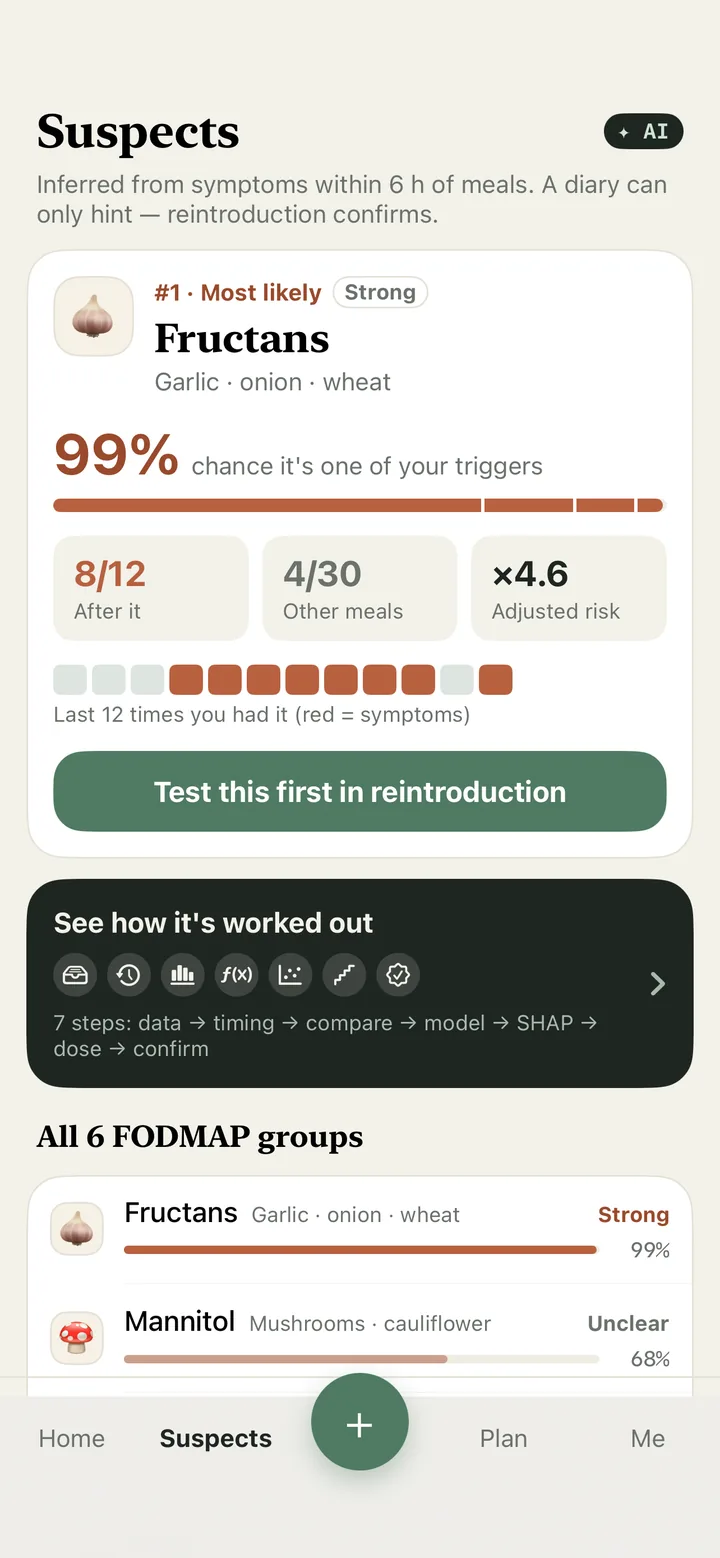
As your diary grows, IBS Clue ranks the FODMAP groups most likely to set you off — with a probability, not a guess — and tells you what to test first.
Everything the low-FODMAP journey needs, in one app
It reads your plate — and what’s hidden in it
Most IBS flare-ups come from ingredients you didn’t know were there. IBS Clue’s AI looks past the dish name to the garlic in the marinade, the onion in the stock and the wheat in the batter.
- Works from a photo (up to four) or a description
- Estimates fructans, GOS, lactose, excess fructose, sorbitol and mannitol
- Tap any ingredient to correct it, and the meal is re-analyzed
- Shows your personal chance of symptoms from this meal, based on your history
Your suspects, ranked by probability
IBS Clue compares meals with and without each FODMAP group, adjusts for the other groups and for meals in the previous four hours, and reports how likely each group is to be one of your triggers.
- Symptoms within 6 hours of a meal count as a reaction
- Bayesian statistics keep small samples honest — no false certainty after one bad day
- “See how it’s worked out” shows every step of the analysis
A plan, not just a food list
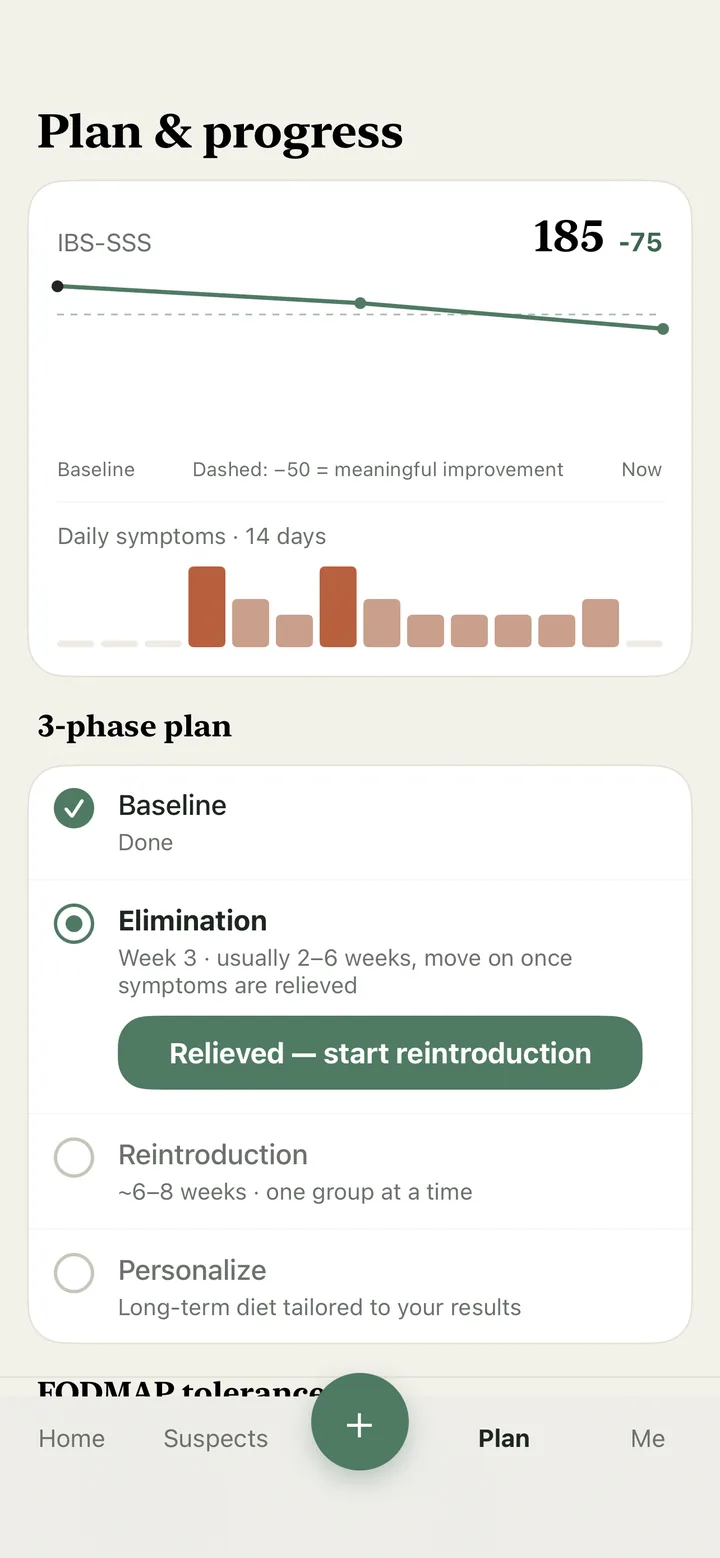
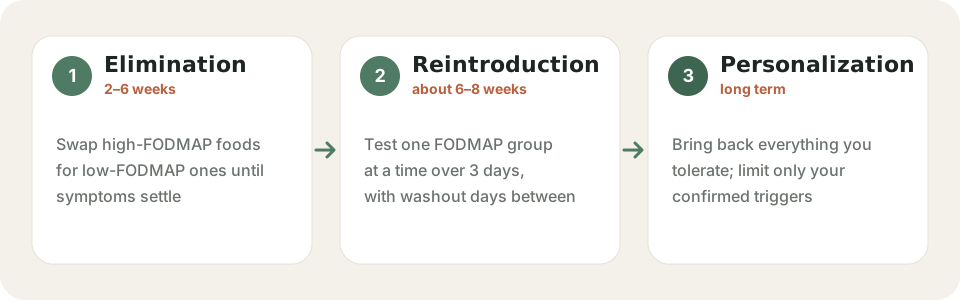
The low-FODMAP diet is meant to be temporary. IBS Clue walks you through all three phases, so you end up eating as widely as your gut allows.
- Elimination: usually 2–6 weeks, until symptoms settle
- Reintroduction: one FODMAP group at a time, three days of increasing doses
- Personalization: limit only what you’ve confirmed
- Track progress with the IBS-SSS score and weekly “adequate relief” check
A report your doctor can read in a minute
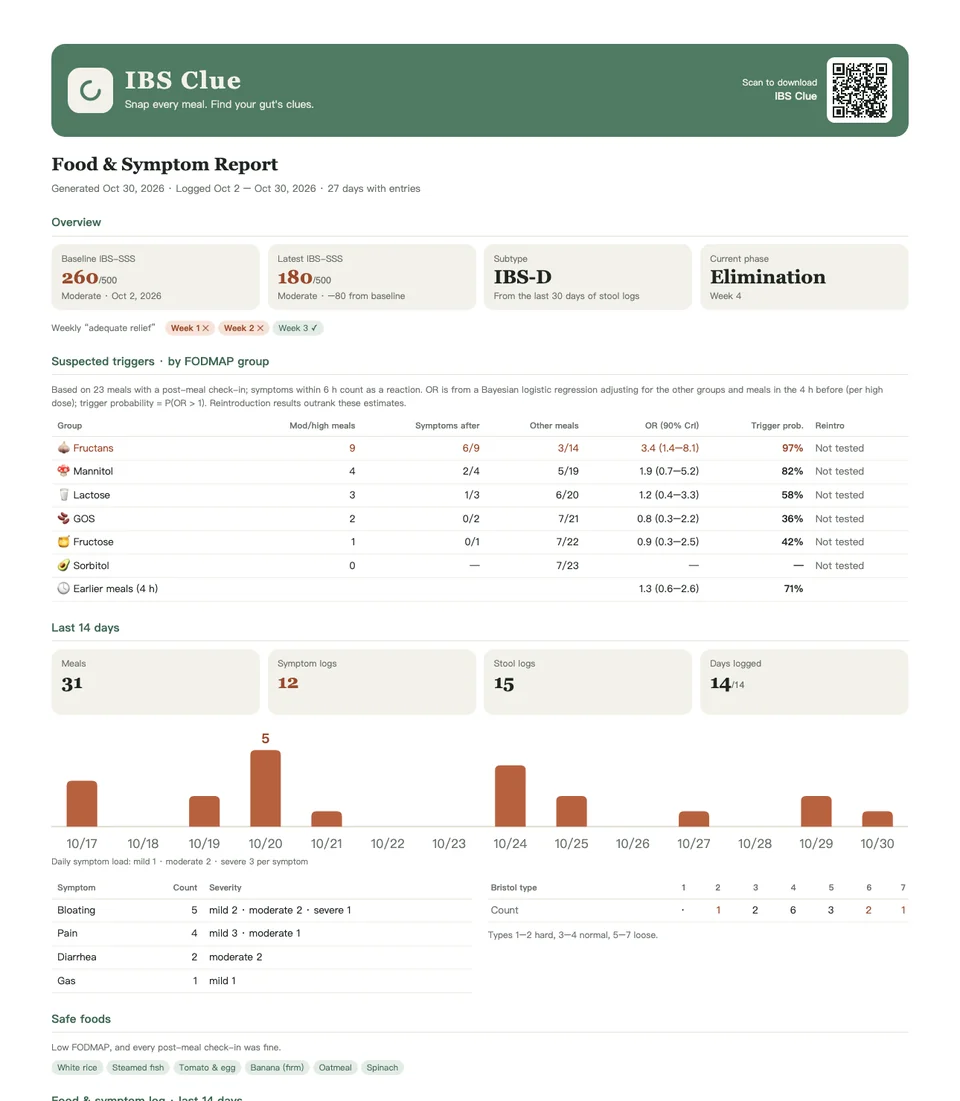
Export a clean PDF with your IBS-SSS scores, subtype from your stool logs, suspected triggers with the statistics behind them, a symptom chart, safe foods and a day-by-day log.
- Made on your phone; shared only when you choose
- Ready to print or send before an appointment
No account. Your diary stays on your phone.
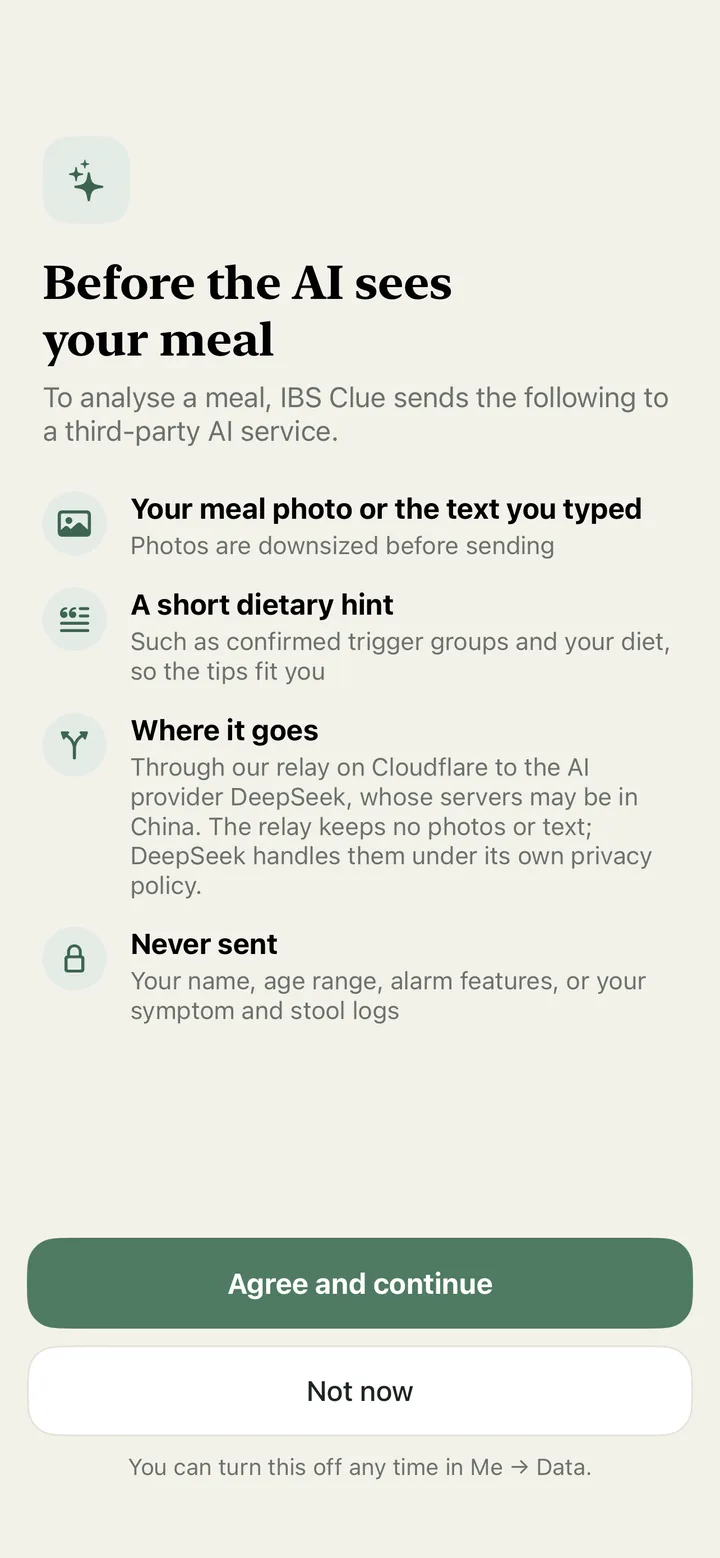
Health data deserves better than a cloud profile. IBS Clue has no sign-up, no ads and no third-party tracking. Before the first AI analysis it tells you exactly what is sent and asks for your consent — which you can withdraw any time.
- Meals are sent for analysis without your name, age or symptoms
- Delete everything with one tap
Why not just a notebook — or a calorie app?
Finding IBS triggers needs FODMAP knowledge, timing and statistics. Most tools only do one of the three.
| IBS Clue | Paper food diary | Calorie / food tracker | FODMAP food guide | |
|---|---|---|---|---|
| Logs a meal from a photo | ✓ | — | Often | — |
| Estimates all six FODMAP groups, including hidden garlic and onion | ✓ | — | — | Look up each food |
| Links symptoms to meals with timing and stacking | ✓ | By hand | — | — |
| Ranks your personal triggers with probabilities | ✓ | — | — | — |
| Guides elimination → reintroduction → personalization | ✓ | — | — | Varies |
| Tracks IBS-SSS and Bristol stool type | ✓ | By hand | — | Varies |
| PDF report for your doctor | ✓ | The notebook | Varies | Varies |
| No account; data stays on your phone | ✓ | ✓ | Rarely | Varies |
| Languages | 10 | Any | Varies | Varies |
Categories, not specific products. Read more in AI tools for IBS: what to look for.
Grounded in clinical evidence, honest about uncertainty
IBS Clue doesn’t invent a new diet. It makes the evidence-based approach that gastroenterologists and dietitians already use easier to follow — and measures the result.
The low-FODMAP diet
Recommended as a limited trial for IBS by the American College of Gastroenterology and the British Society of Gastroenterology. In randomized trials it reduced overall IBS symptoms compared with a typical diet.
ACG guideline 2021 · BSG guideline 2021 · Halmos et al., Gastroenterology 2014
Restrict, then reintroduce
Dietitians use three phases — restriction, reintroduction and personalization — so that long-term you only limit what actually affects you, keeping your diet as varied as possible.
Whelan et al., J Hum Nutr Diet 2018
IBS-SSS severity score
The IBS Symptom Severity Score (0–500) is a standard questionnaire in IBS research and care. IBS Clue uses it at the start and for weekly re-checks, so you can see real progress.
Francis, Morris & Whorwell, Aliment Pharmacol Ther 1997
Bristol Stool Form Scale
Seven stool types that reflect how fast food moves through the gut. Rome IV uses them to classify IBS-C, IBS-D and IBS-M — IBS Clue does the same from your logs.
Lewis & Heaton, Scand J Gastroenterol 1997 · Rome IV, 2016
Statistics, not hunches
A Bayesian logistic regression compares meals with and without each FODMAP group, adjusts for the others and for earlier meals, and reports a probability with its uncertainty. Reintroduction results always outrank it.
Methods: see how IBS Clue works
Safety first
At sign-up IBS Clue screens for alarm features — such as blood in the stool, unexplained weight loss or symptoms that wake you at night — and advises seeing a doctor. It never diagnoses.
See IBS red flags
Speaks your language — and reads your cuisine
The whole app, the AI’s answers and the doctor report are available in 10 languages. The AI recognizes dishes from Sichuan to São Paulo, so the hidden FODMAPs in home cooking get caught too.
Understand your IBS
Clear, sourced guides — written for people living with IBS, checked against clinical guidelines.
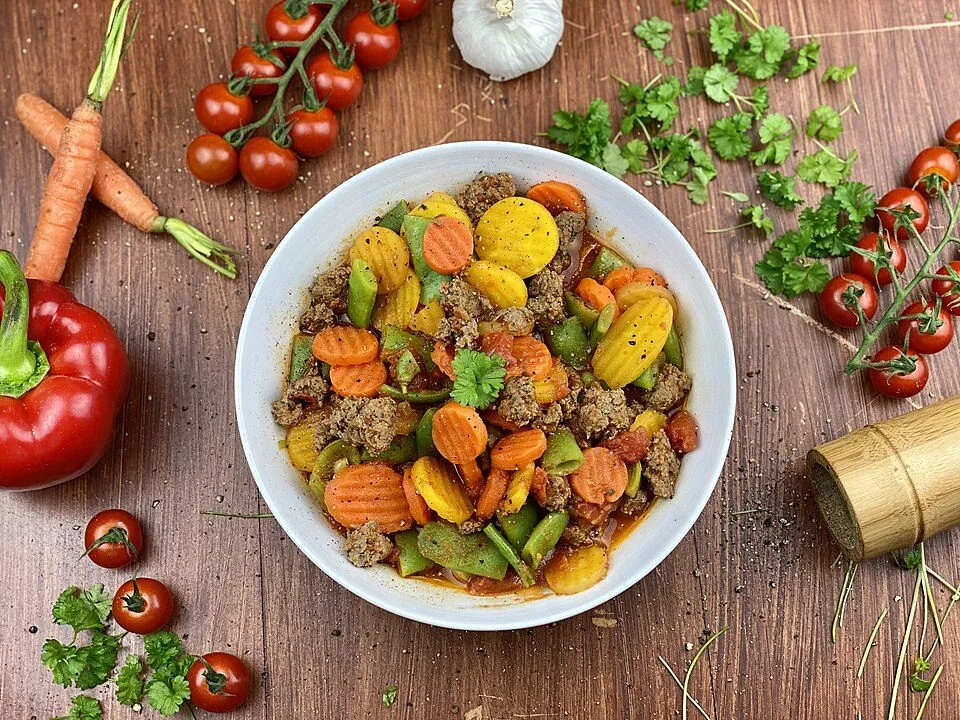
What is IBS?
Symptoms, Rome IV criteria, subtypes, causes and how it’s diagnosed.

The low-FODMAP diet
The six FODMAP groups, what to eat, the three phases and the evidence.
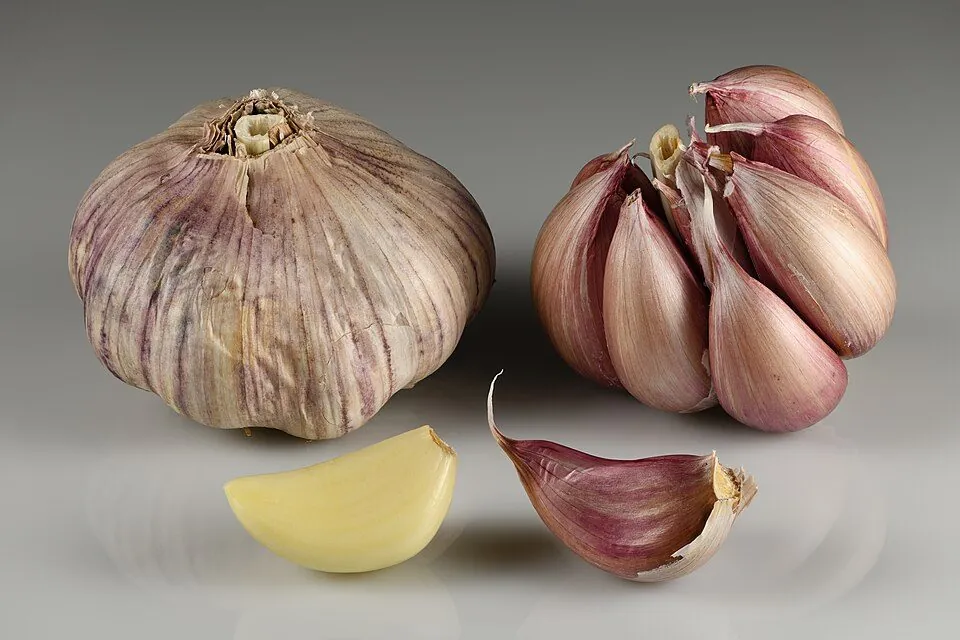
Why garlic and onion hurt
Fructans, where they hide, and swaps that keep the flavor.
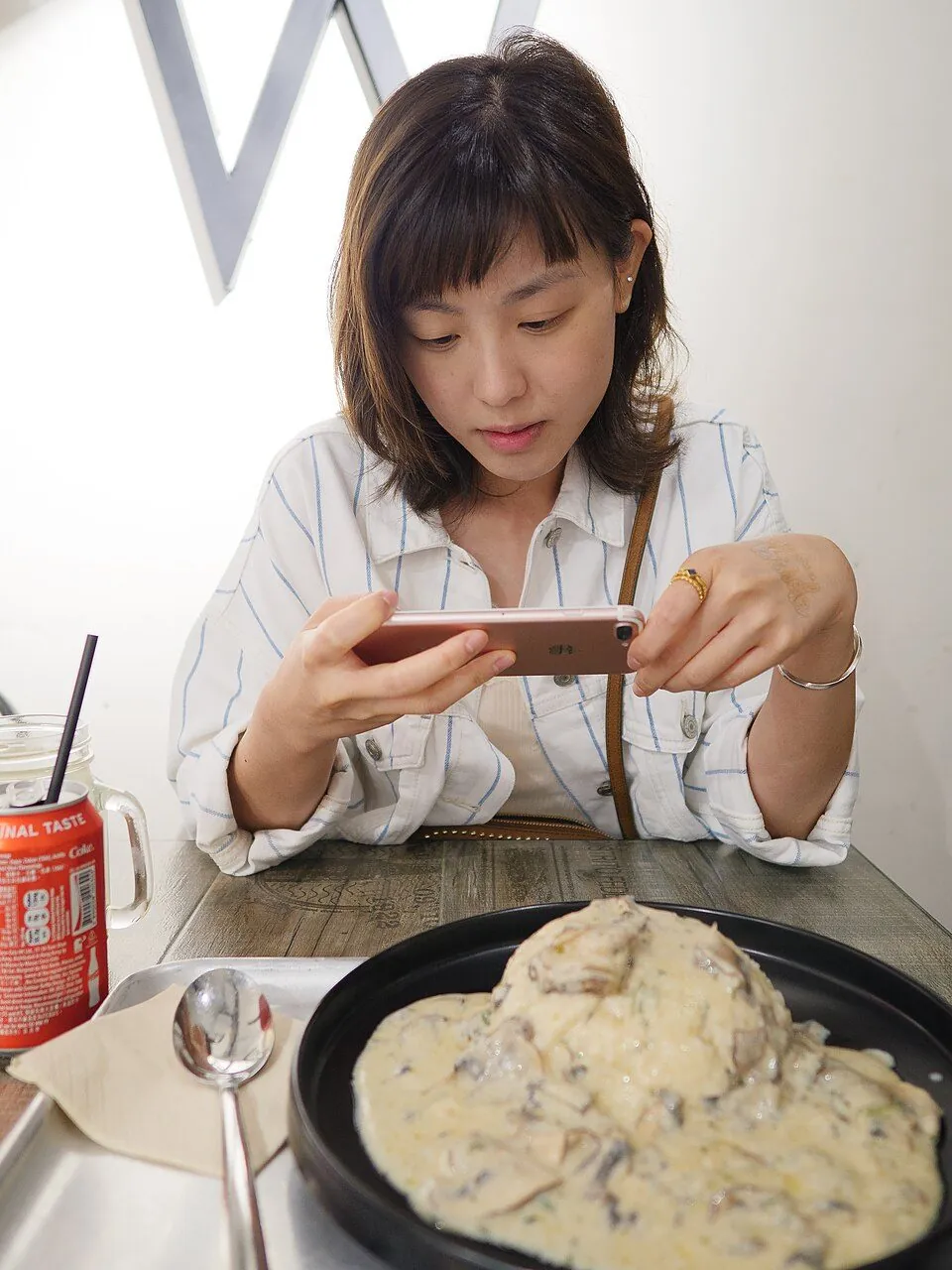
Keeping a food diary that works
What to record, timing, stacking — and how to read it.
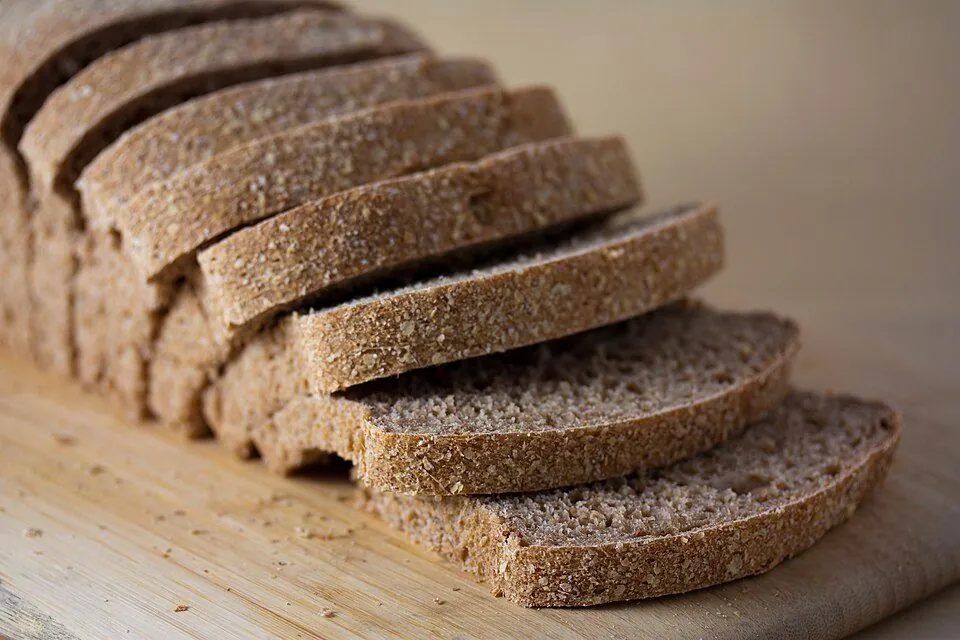
FODMAP reintroduction
How to test one group at a time and what your results mean.
IBS red flags
The symptoms that need a doctor, and the tests they may order.
About IBS Clue
What is IBS Clue?
IBS Clue is an AI food and symptom diary for iPhone, built for people with irritable bowel syndrome (IBS). It recognizes your meals from a photo, estimates their FODMAP content, links them to the symptoms you log, ranks which FODMAP groups are most likely your triggers, and guides you through the three-phase low-FODMAP plan.
How does IBS Clue find my triggers?
Symptoms within 6 hours of a meal count as a reaction to it. A Bayesian logistic regression compares meals that contain each FODMAP group with meals that don't, adjusts for the other groups and for meals eaten in the previous 4 hours, and gives each group a probability of being one of your triggers. You then confirm the top suspects with a structured reintroduction.
How accurate is the AI at estimating FODMAPs?
It gives estimates, not lab measurements: recipes and portions vary. It is designed to catch the ingredients people miss — garlic and onion in sauces, wheat in coatings, honey in dressings — and you can correct any ingredient with a tap, after which it re-analyzes the meal.
Is IBS Clue free?
Yes. Logging, symptom check-ins, the trigger ranking, the three-phase plan and the doctor report are free. Your first 10 AI meal analyses are free; IBS Clue Pro, a monthly or yearly subscription, makes AI analysis unlimited.
Is my data private?
There is no account, and your diary stays on your phone. A meal's photo or text is sent for AI analysis only after you agree, and never with your name; you can turn this off at any time.
Does IBS Clue replace my doctor or dietitian?
No. IBS Clue is a self-tracking tool, not a medical device, and doesn't diagnose or treat. It screens for warning signs that need a doctor, and its PDF report is designed to make appointments with your doctor or dietitian more productive.
Coming soon to the App Store
IBS Clue is in final testing for iPhone. Free to download; your first 10 AI meal analyses are free. Questions? support@ibsclue.com