Garlic and onion trigger IBS symptoms in many people because they're among the richest food sources of fructans, chains of fructose that the human gut can't digest.[1][2] Fructans pass undigested into the colon, where bacteria ferment them into gas. In a gut that's extra sensitive to stretching, as it often is in IBS, that can mean bloating, pain and changes in bowel habit, even when the garlic or onion is hidden in a sauce or stock.[3]
Why do garlic and onion trigger IBS symptoms?
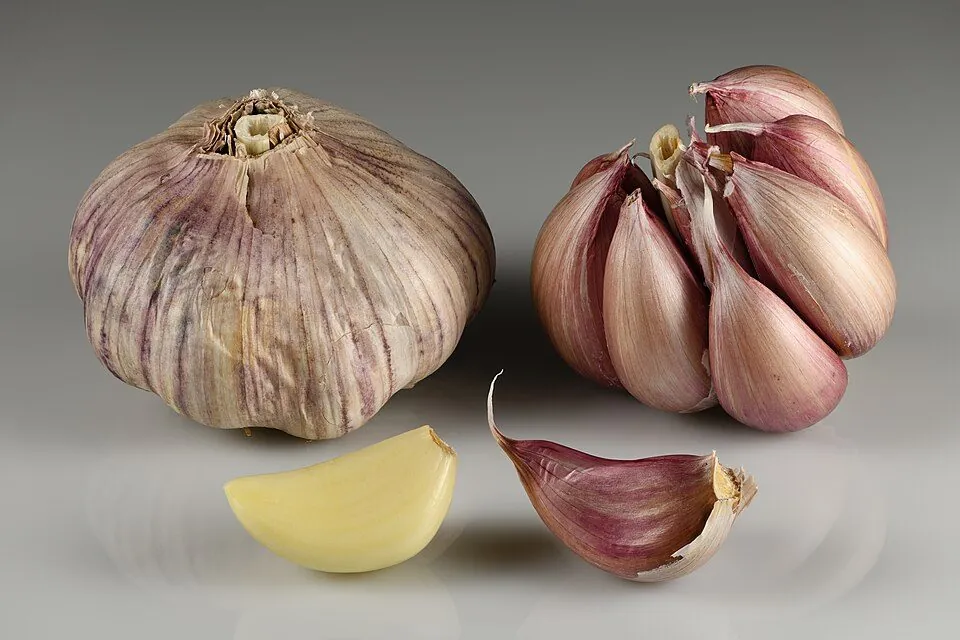
Fructans are short chains of fructose molecules, one of the FODMAP groups. Humans lack the enzymes to break them down, so fructans aren't absorbed. They arrive intact in the colon, where gut bacteria ferment them and produce gas.[1] When Monash University researchers measured 60 vegetables, garlic, artichoke, shallots, leek bulb and onions had the highest fructan content.[2]
The gas itself isn't the whole story. In an MRI study, people with IBS and healthy volunteers produced similar amounts of colonic gas after a drink of inulin, a type of fructan, but 13 of 29 people with IBS developed significant symptoms, compared with 6 of 29 after plain glucose.[3] In a blinded trial of 25 people with IBS who had improved on a diet low in fructose and fructans, 77% said their symptoms weren't adequately controlled when fructans were secretly added back, compared with 14% when given glucose. Symptoms also grew with the dose.[4] Not everyone with IBS reacts to fructans, though, and the only way to know whether you do is to test it (see below).
Where do garlic and onion hide?
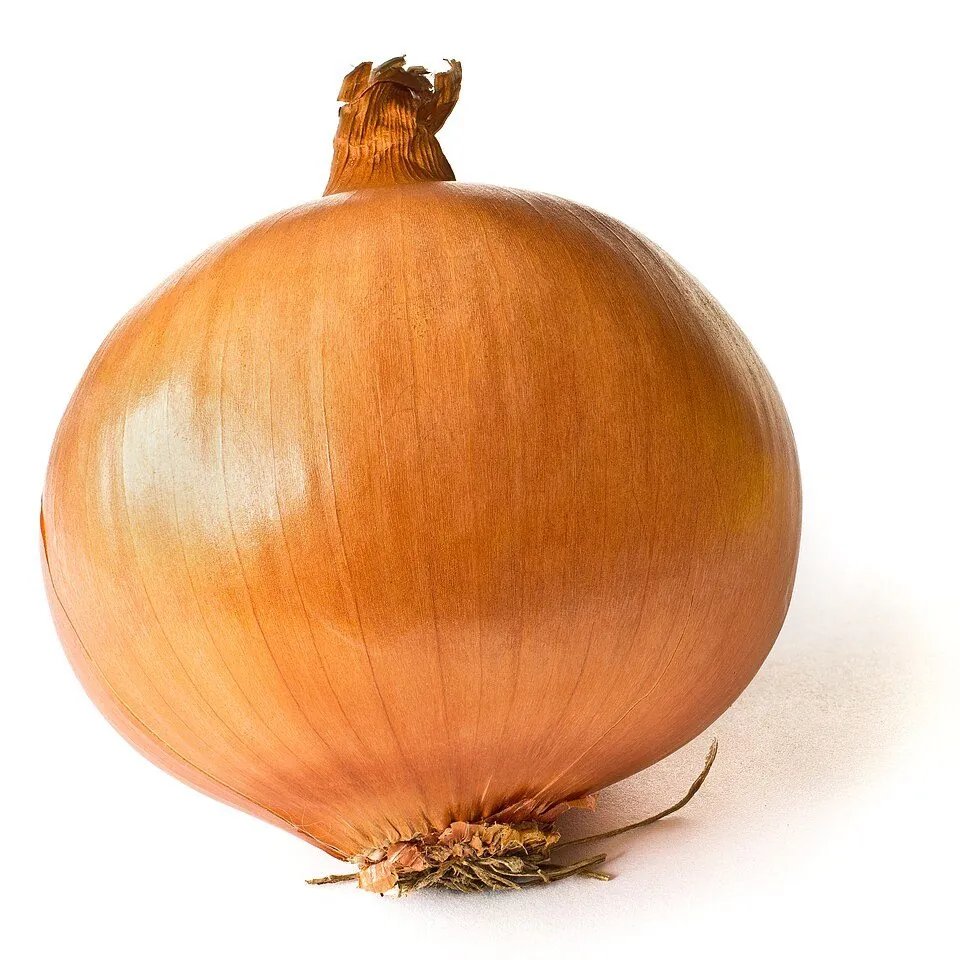
Avoiding visible slices of onion is the easy part. Garlic and onion are base flavorings in kitchens around the world, so they turn up in foods you might not suspect:
- Stocks, broths and soups. Fructans are water-soluble, so they leach out of onion and garlic into the cooking liquid. A broth can be high in FODMAPs even after the vegetables have been strained out.[5]
- Sauces, gravies, curry bases and marinades. In an analysis of Indian recipes, about 40% of non-vegetarian dishes were high in FODMAPs because of flavorings such as onion and garlic, even though plain meat, fish and eggs are low in FODMAPs.[6]
- Spice mixes, seasonings and dried onion. Dried onion and onion powder are concentrated sources of fructans, so they are avoided during elimination even in small amounts.[1]
- Condiments and restaurant food. Dipping sauces, dumpling fillings and garnishes are often made with garlic, shallots or the white part of scallions.[5]
- Packaged foods. FODMAP food data mostly covers unprocessed foods, so reading ingredient labels on prepared foods is an essential part of the diet.[1] If a label only says "seasoning," "spices" or "natural flavors" and the product seems to bother you, choose one with a clearer label or ask the manufacturer.
What can you use instead of garlic and onion?
You don't have to give up savory flavor. Dietitians and FODMAP researchers recommend these swaps:[6][7][8]
| Instead of | Try |
|---|---|
| Garlic | Garlic-infused oil, garlic chives, ginger |
| Onion | Green tops of spring onions (scallions), green leafy part of leeks, chives |
| Onion "depth" in curries, dals and stews | A little asafoetida (hing), alone or with garlic-infused oil |
| Ready-made stock | Homemade stock made without onion and garlic |
Why does garlic-infused oil work? Fructans dissolve in water, which is why they end up in stocks.[5] They don't carry over into pure oil, though, so oil flavored with garlic, with the solid pieces removed, is used as a low-FODMAP substitute for garlic itself.[6][7] One safety point: low-acid garlic-in-oil kept at room temperature has caused botulism. In the US, commercial products must now contain acidifying agents or microbial inhibitors.[9] Store-bought infused oil is the simplest choice. If you make your own, keep it refrigerated.
Pickling onion and garlic in vinegar, then draining them, has also been shown to lower their FODMAP content.[6] As with any spice blend, check the label of asafoetida powder if you have other dietary restrictions.
Wheat, rye and fructans: is it really the gluten?
Wheat and rye contain fructans too. Wheat's fructan content is fairly low, but because people eat so much bread and pasta, wheat contributes more fructans to the diet than any other food.[1] Foods that contain only a little wheat, such as a sauce thickened with wheat starch, usually don't need to be avoided on a low-FODMAP diet.[1]
That matters for people who feel better without gluten but don't have celiac disease, a condition often called non-celiac gluten (or wheat) sensitivity. Several blinded trials suggest that fructans, not gluten, are often the culprit:
- In a Norwegian crossover trial, 59 people with self-reported gluten sensitivity were given hidden gluten, fructans or a placebo in muesli bars for a week at a time. Fructans raised overall symptom and bloating scores. Gluten caused no more symptoms than placebo.[10]
- In an Australian trial of 37 people with self-reported gluten sensitivity, symptoms improved on a reduced-FODMAP diet. Gluten-specific effects then showed up in only 8% of participants.[11]
- A review of 10 blinded gluten-challenge trials (1,312 adults) found that only 16% of people with suspected gluten sensitivity had gluten-specific symptoms, and a large share reacted just as strongly to placebo.[12]
How to find out whether fructans are your trigger
The reliable way is a structured elimination and reintroduction. First you remove fructans along with the other FODMAPs for a few weeks. Then you test them back. Because fructans vary in structure, garlic, onion and wheat are usually tested separately, so passing a bread challenge doesn't mean onion is safe, or the other way round.[1] Our FODMAP reintroduction guide explains how, and the low-FODMAP diet guide covers the other five FODMAP groups.
Because garlic and onion are so often hidden, it helps to record mixed dishes ingredient by ingredient in your food and symptom diary. IBS Clue was built partly for this problem. You snap a photo of a meal, and the app lists likely ingredients, including hidden garlic and onion in sauces, and estimates the meal's fructan level along with the other five FODMAP groups. Treat those estimates as a starting point and confirm them with a proper challenge.