The most common IBS trigger foods are those high in FODMAPs, such as wheat, onion, garlic, beans, milk and some fruits, along with fatty or fried food, alcohol, coffee and very spicy meals.[1][2][3] Triggers are personal, though. Most people react to only some of these, often only in larger amounts, so the most useful list of foods to avoid is the one you build from your own diary and reintroduction results.
What are the most common IBS trigger foods?
When people with IBS are asked which foods cause symptoms, the same categories come up again and again. In a Swedish study of 197 patients, the most commonly reported triggers were fried and fatty foods (52%), dairy products (49%), beans and lentils (36%), wine or beer (31%), apples (28%) and flour (24%).[1] In an Irish survey, bread and other cereal foods led the list (53%), followed by spicy foods (39%), vegetables (36%) and fatty foods (36%).[4] An earlier Swedish study of 330 patients highlighted carbohydrate-rich foods, fatty food, coffee, alcohol and hot spices.[2]
These are self-reports, so they show what people believe, not what has been proven. Patients with more severe IBS reported more trigger foods,[1] and the patterns differ from person to person.[5]
High-FODMAP foods by group
Many of the foods people blame are rich in FODMAPs, short-chain carbohydrates that draw water into the gut and are fermented into gas. In a blinded trial, fructose and fructans reproduced IBS symptoms in a dose-dependent way.[6]
| FODMAP group | Common high-FODMAP foods |
|---|---|
| Fructans | Wheat and rye bread, pasta and cereals; onion, garlic, leek, artichoke |
| GOS | Lentils, chickpeas, kidney beans and other pulses |
| Lactose | Milk, yogurt |
| Excess fructose | Mango, honey, figs, large amounts of fruit juice |
| Sorbitol | Apples, pears, stone fruits, sugar-free gum |
| Mannitol | Mushrooms, cauliflower |
The table is based on published FODMAP reviews.[3][7][8][9] For low-FODMAP swaps and how the diet works, see our low-FODMAP diet guide. Garlic and onion deserve special attention because they hide in sauces, stocks and spice mixes; see garlic, onion and fructans.
Fatty and fried foods
Fat is one of the triggers people report most often.[1] Lab studies help explain why. When 10 people with IBS drank a high-fat liquid meal, their rectum became progressively more sensitive over the next hour, more than after a high-carbohydrate meal, while healthy volunteers were unaffected.[10] Fat in the small intestine also slows the clearance of gas, which promotes bloating, and this effect is exaggerated in IBS.[11] The usual advice is to trim large amounts of fat, such as fried food and rich creamy sauces, rather than cut healthy fats entirely.[11]
Coffee and caffeine
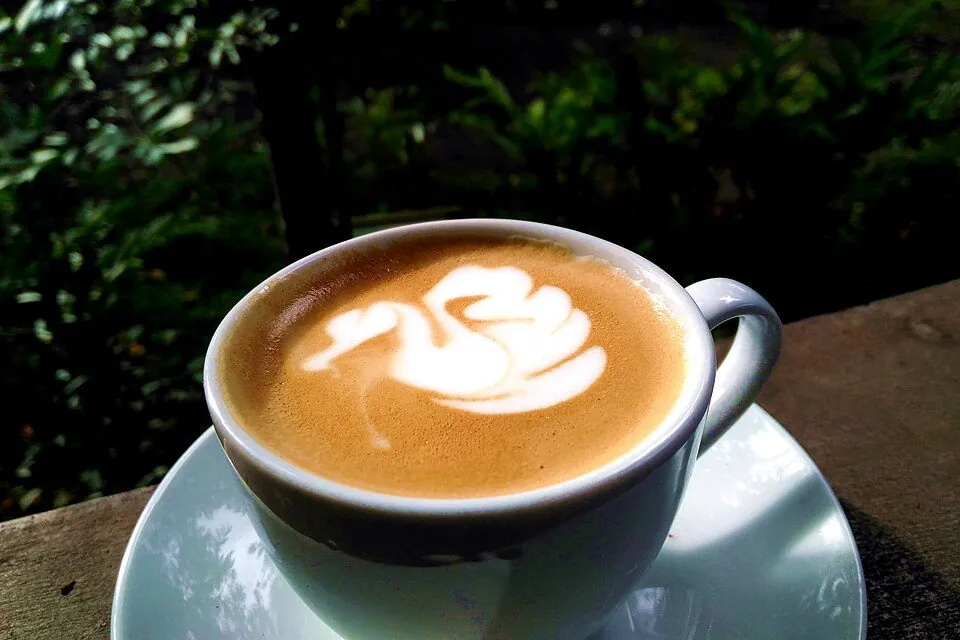
Coffee is a strong stimulant for the colon. In healthy volunteers, caffeinated coffee increased colonic muscle activity about as much as a 1,000-calorie meal, 60% more than water and 23% more than decaf.[12] Guidelines suggest checking whether caffeine relates to your symptoms and cutting back if it does.[11]
Alcohol
How much you drink seems to matter more than whether you drink. In a diary study of women with IBS, binge drinking (four or more drinks in a day) was linked to more diarrhea, nausea, stomach pain and indigestion the next day. Light and moderate drinking showed little or no link. The effect was strongest in IBS with diarrhea.[13]
Spicy food and capsaicin
Capsaicin, the compound that makes chili hot, acts on pain-sensing receptors called TRPV1. Bowel biopsies from people with IBS contained about 3.5 times more TRPV1 nerve fibers than those from controls, and the number of fibers tracked with abdominal pain.[14] In a trial of people with diarrhea-predominant IBS, a meal with chili caused significant abdominal pain and burning, while healthy volunteers had only mild burning.[15] In a large Iranian population study, people who ate spicy food at least 10 times a week were more likely to have IBS, though a study like this can't prove cause and effect.[16] Spicy dishes are also often built on onion and garlic, so it's worth working out which ingredient is the problem.[11]
Large meals and irregular eating
Traditional IBS dietary advice centers on how and when you eat: regular meals, avoiding very large meals, and eating less fat, insoluble fiber, caffeine and gas-producing foods such as beans, cabbage and onions.[17][7] In a Swedish trial, this advice helped about as many people as a low-FODMAP diet over four weeks (46% vs 50%).[17] Guidelines also suggest not skipping meals and taking time to eat.[11]
Carbonated drinks
Dietary guidance for IBS advises avoiding carbonated drinks, which may cause symptoms. One study found more gut symptoms from fizzy drinks in people with IBS than in controls.[11] Check the label, too. Sugar-free sodas can contain sorbitol, mannitol or xylitol, which are best avoided if you have diarrhea,[9] and soft drinks sweetened with high-fructose corn syrup add excess fructose.[3][7]
Fiber: soluble vs insoluble
Fiber isn't one thing. Soluble fiber, such as psyllium (ispaghula), forms a gel in water. Insoluble fiber, such as wheat bran, adds bulk.[9] The evidence clearly favors soluble fiber. A meta-analysis of 14 trials (906 patients) found that soluble fiber improved IBS symptoms, while bran showed no significant benefit.[18] In a primary-care trial, more people responded to psyllium than to placebo, while people taking bran were the most likely to drop out early, mainly because their symptoms got worse.[19]
Guidelines agree. The ACG recommends soluble, but not insoluble, fiber for global IBS symptoms.[20] The BSG recommends soluble fiber such as ispaghula as a first-line treatment and advises against insoluble fiber such as wheat bran.[21] If you add fiber, increase it slowly to avoid extra gas and bloating.[9]
Non-food triggers: stress, sleep and hormones
- Stress changes gut sensitivity, motility and secretion through the gut-brain axis, and it can cause flare-ups.[22] In some people, psychological factors affect symptoms more than diet does.[3]
- Sleep: in women with IBS, a poorer night's sleep predicted more abdominal pain the next day.[23]
- Hormones: pain and bloating tend to worsen around menstruation,[24] and symptoms can increase when ovarian hormones are low, such as around menopause.[25]
Foods to avoid with IBS: how to find your own triggers
There's no universal list, and cutting out foods on a hunch can leave you with an unnecessarily narrow, less nutritious diet.[4] A step-by-step approach works better:
- Confirm the diagnosis. Have a doctor rule out other conditions, especially if you have any red-flag symptoms such as blood in your stool, unintentional weight loss or anemia.[26]
- Keep a food and symptom diary for at least two weeks, including sleep, stress and your cycle.
- Try first-line changes: regular meals, smaller portions, less fat, alcohol, caffeine and fizzy drinks, and soluble rather than insoluble fiber.
- If that's not enough, try a low-FODMAP diet, ideally with a registered dietitian, and then reintroduce FODMAPs one group at a time to confirm which ones bother you.[21]
A diary-based ranking can help you decide what to test first. IBS Clue's "Suspects" feature, for example, estimates how likely each FODMAP group is to be one of your triggers, based on your own meals and symptoms. A planned reintroduction is still the way to confirm it.